I · Heroine
I · Heroine · The face of the Jazz Age
USA · 1900 — 1948

Zelda Fitzgerald

“She was perhaps the first American flapper.” — F. Scott Fitzgerald

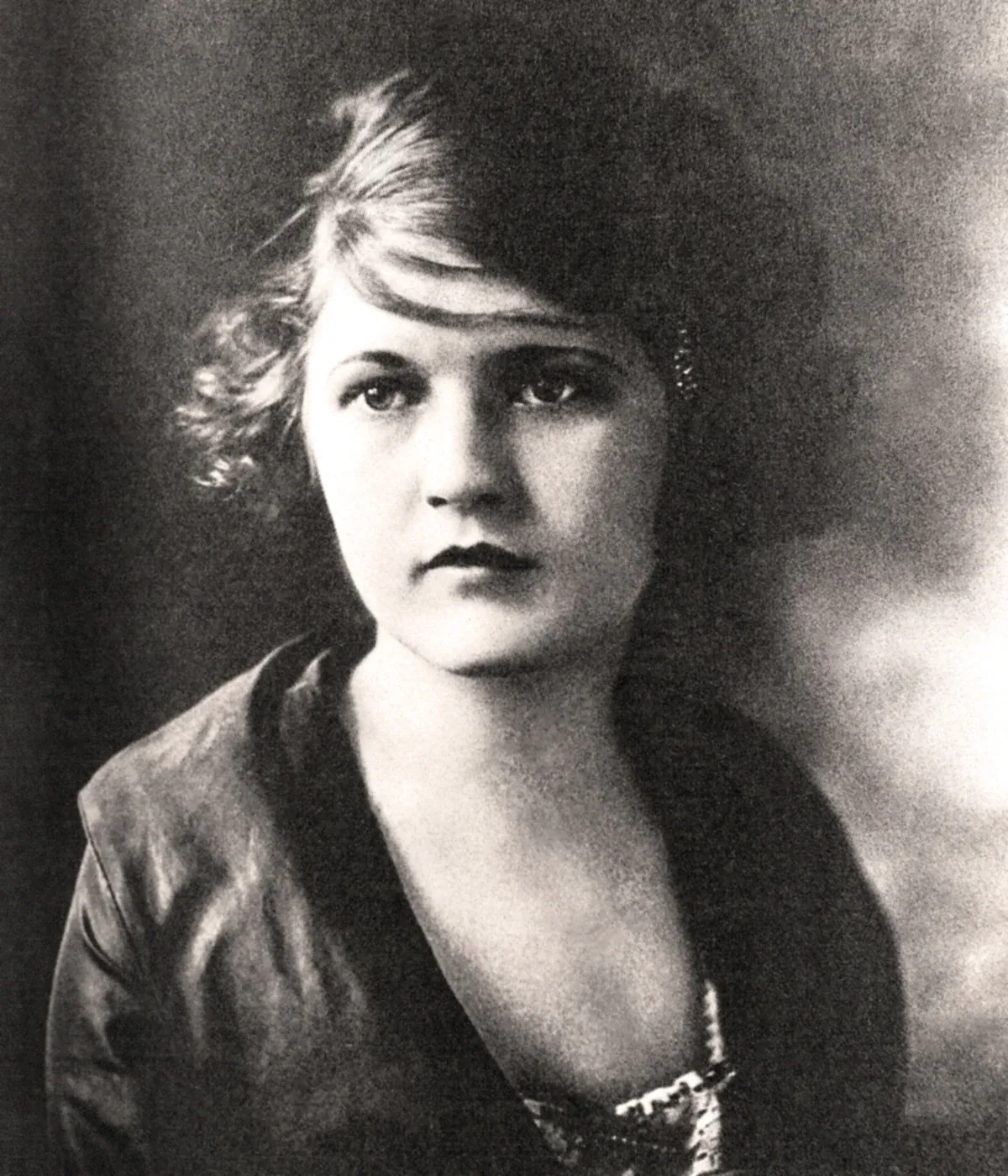
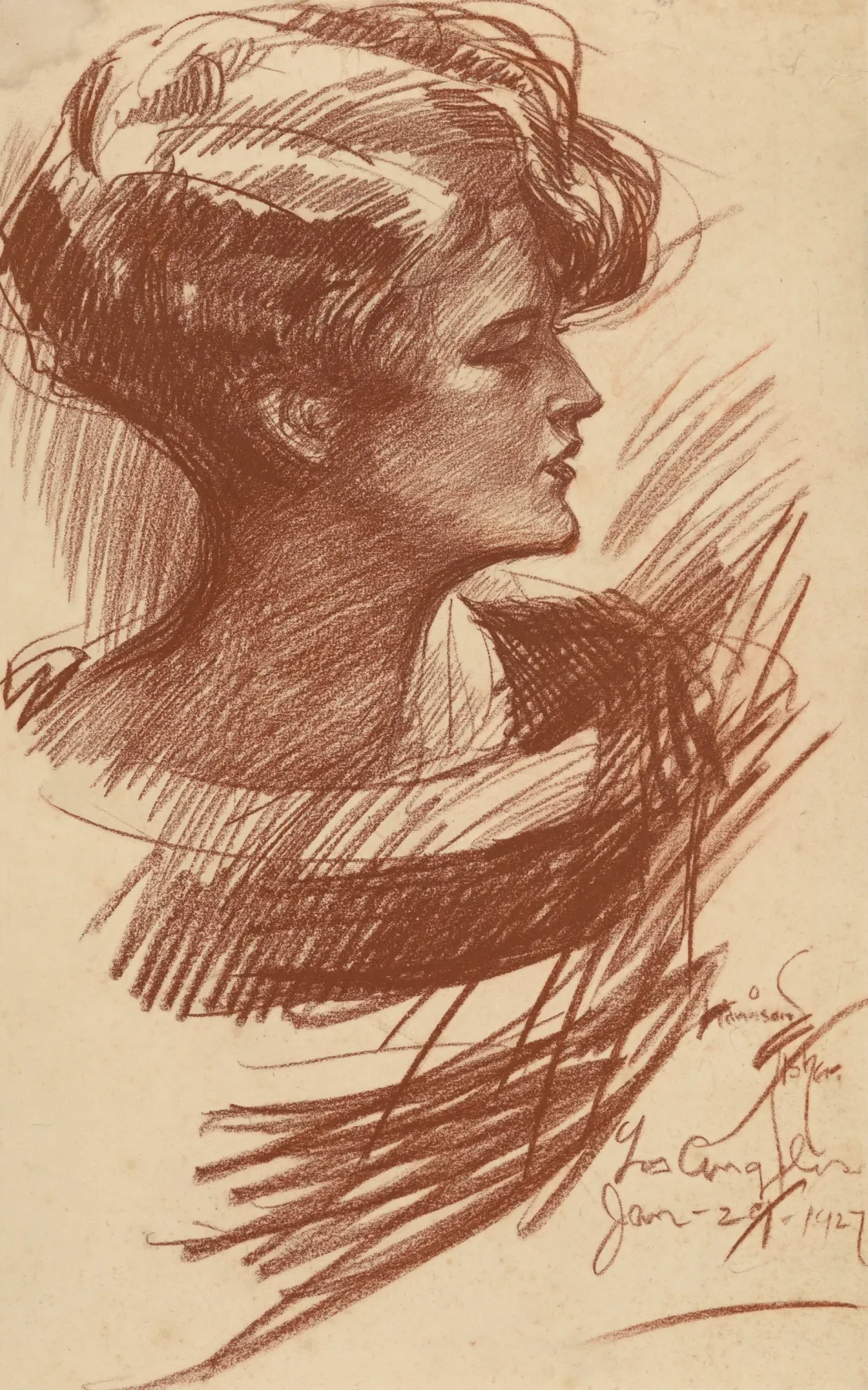
Zelda Sayre, studio portrait, 1919 Zelda Fitzgerald, portrait by Harrison Fisher, 1927
Zelda Sayre · 1919

Zelda Sayre was born in 1900 in Montgomery, Alabama. The youngest of six children in the family of an Alabama Supreme Court judge. Her mother took the name Zelda from a novel — it belonged to a gypsy queen.

From childhood Zelda was “the wild child of Southern aristocracy.” She climbed water towers, swam naked, danced on hotel rooftops. By sixteen she was the beauty of the town — and its biggest scandal. In 1917 the Montgomery newspaper ran her name in the society pages with the caption: “The most beautiful girl in Alabama.”
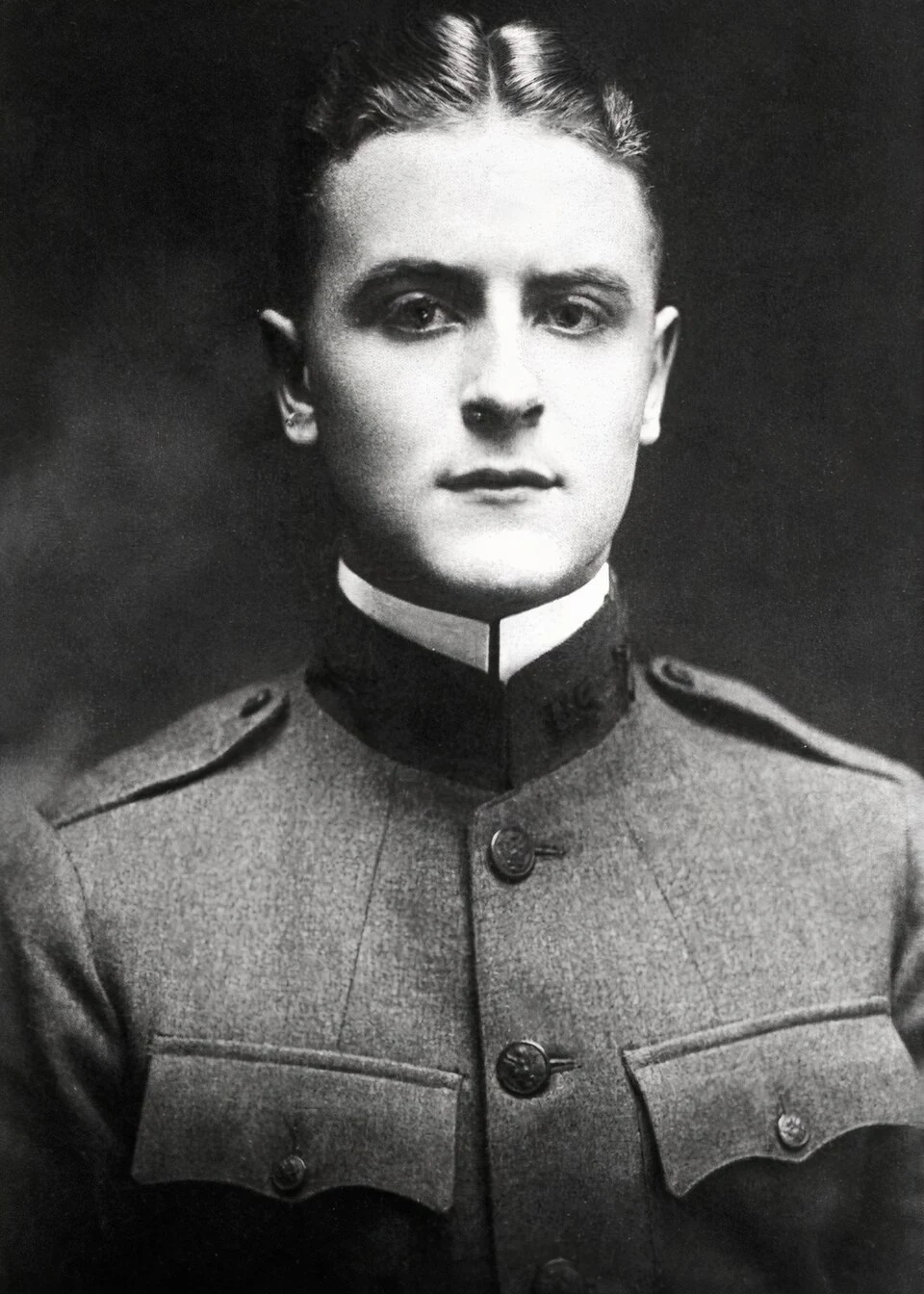
F. Scott Fitzgerald in military uniform, 1917
F. Scott Fitzgerald · 1917

Lieutenant Fitzgerald

Princeton graduate, recently enlisted. The Great War would end before he reached the front. By the time he met Zelda, he was already carrying the draft of his first novel in the pocket of his greatcoat.

F. Scott Fitzgerald · 1917
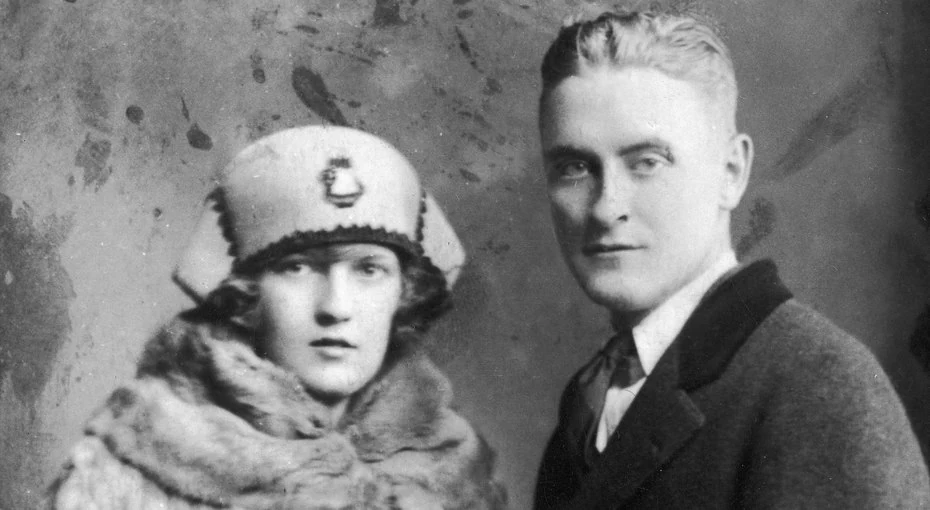
Scott and Zelda, studio portrait, 1920
Newlyweds · c. 1920

Wedding year

Studio portrait shortly after the wedding. Zelda is twenty, Scott twenty-three. Nine days after they marry, the Saturday Evening Post publishes Scott’s short story whose heroine speaks in her words.

Scott and Zelda · studio portrait · c. 1920

In the summer of 1918 there was a Camp Sheridan at Montgomery — a training base for soldiers heading to the Great War. Among the lieutenants was twenty-one-year-old Francis Scott Fitzgerald, a Princeton graduate dreaming of literary fame.

They met at a dance at the Country Club. Scott fell in love at once. Zelda did not. Scott proposed in March 1919 — she refused: he had no money. A year later Scott published his first novel, “This Side of Paradise.” The book was a sensation; he became famous overnight. Zelda accepted.

IV · 1920 — 1924

The first American flapper

They became the face of an era before the era had a name. Scott would call it the “Jazz Age” in his 1922 book of essays — but its first symbols were the two of them.

1920

The newlyweds move into the Plaza Hotel in New York. Zelda jumps into the fountain on Union Square in an evening gown. Scott gives interviews with the line: “I married the heroine of my stories.” The press calls them Mr. and Mrs. Jazz Age.

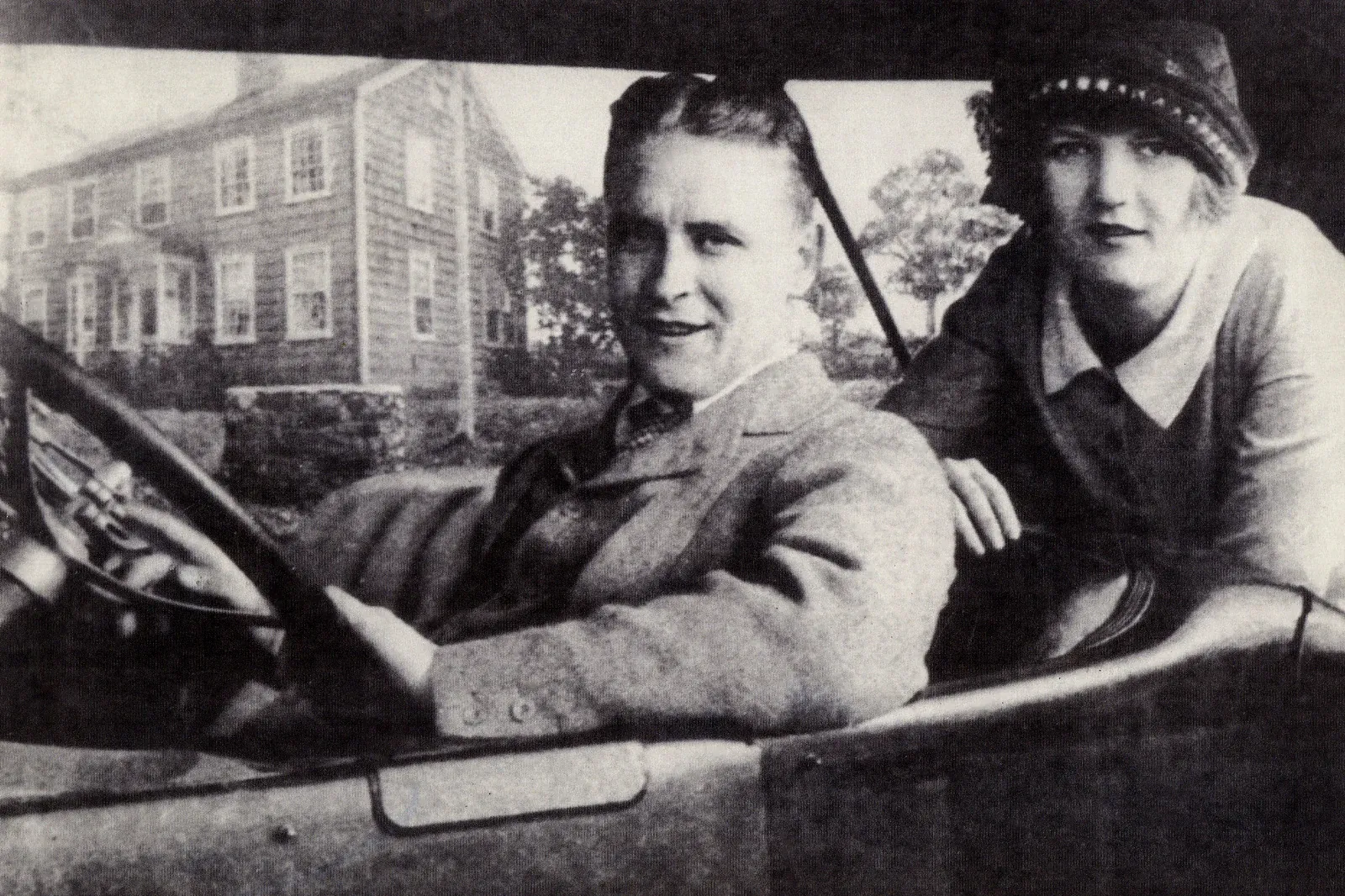
Scott and Zelda in a car, Motor Magazine, summer 1920
Motor Magazine · summer 1920

After the wedding

The wedding took place on 3 April 1920 at St. Patrick’s Cathedral. By summer the Fitzgeralds were on the covers of society magazines.

Scott and Zelda · Motor Magazine · summer 1920
1921

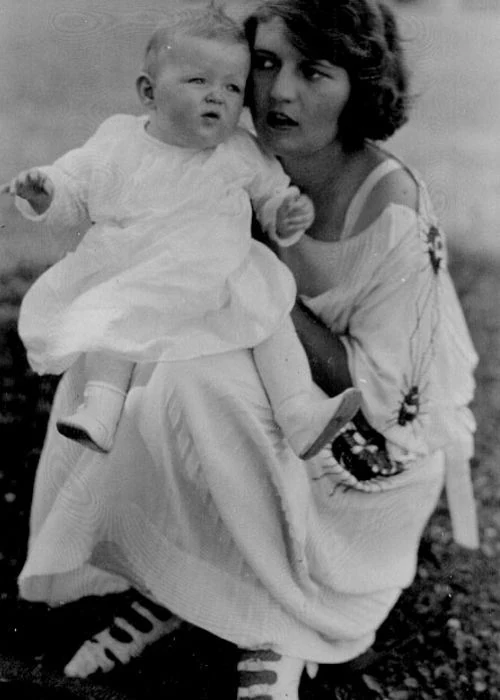
Their daughter Frances “Scottie” is born. Coming out of the anaesthetic, Zelda speaks a line Scott will give to Daisy Buchanan two years later: “I hope she’ll be a fool — that’s the best thing a girl can be in this world, a beautiful little fool.”

Zelda with baby Scottie, 1922
Zelda and Scottie · 1922

A fool

The line about a “beautiful little fool” would become one of the most quoted lines of The Great Gatsby. Unattributed to its original author.

Zelda and Scottie · 1922
1922

They are living on Long Island. Endless parties. Scott writes “The Beautiful and Damned” — the heroine Gloria is almost wholly modelled on Zelda. Asked who the prototype is, Scott answers: “Zelda, of course.”

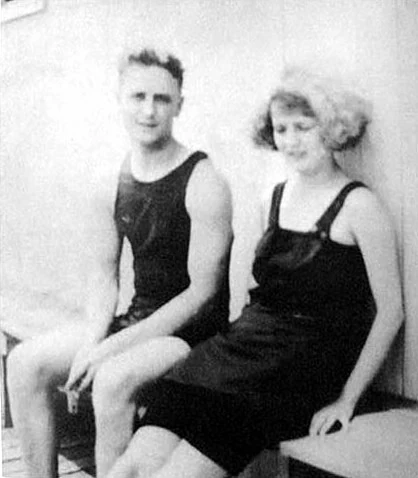
Scott and Zelda at the beach, Brooklyn Daily Eagle, 4 March 1922
Westport, Connecticut · 4 March 1922

Mr. and Mrs. Jazz Age

From the Brooklyn Daily Eagle. The editorial caption reads: “F. Scott Fitzgerald: Noted Young Author of The Beautiful and Damned, With His Wife.” Without her name.

Scott and Zelda · Westport · 1922
1922

Zelda writes a review of “The Beautiful and Damned” for the New York Tribune. She signs it under her own name. Sharp, ironic, direct.

“It seems to me that on one page I recognised a portion of an old diary of mine which mysteriously disappeared shortly after my marriage, and, also, scraps of letters which, though considerably edited, sound to me vaguely familiar. In fact, Mr. Fitzgerald — I believe that is how he spells his name — seems to believe that plagiarism begins at home.”

Zelda Fitzgerald · New York Tribune · 2 April 1922

1924

Scott’s finances collapse. They move to the French Riviera, hoping Europe will be cheaper. Cap d’Antibes. Summer. Heat. Champagne. And — a lieutenant in the French air force named Edouard Jozan.

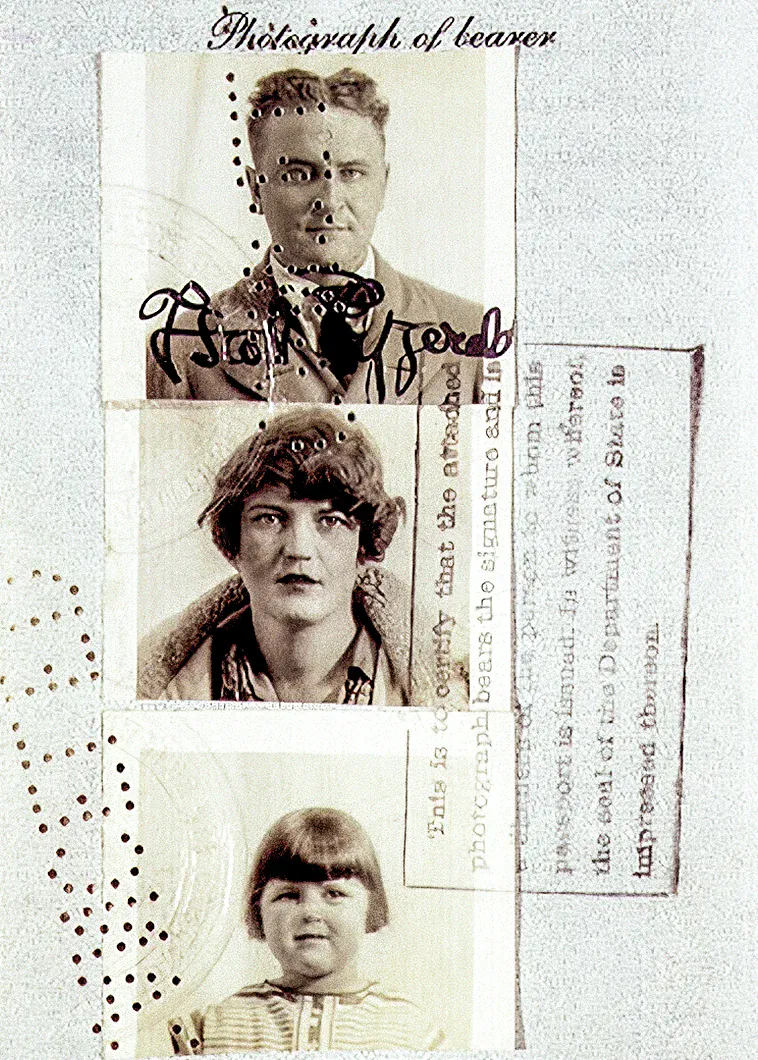
The Fitzgeralds' passport book, May 1924
US Passport · May 1924

A ticket to Europe

The passport book of Scott, Zelda and Scottie, issued before their departure for Europe. The faces of an American family on its way to Cap d’Antibes. One of them will come back different.

Fitzgerald passport · May 1924

In the south of France Zelda falls in love for the first time. The French aviator Edouard Jozan — twenty-six, olive-skinned, a man who doesn’t talk in metaphors. Zelda asks for a divorce.

Scott locks her in their villa for a month and threatens Jozan. Jozan leaves. Zelda takes her first large dose of sleeping pills. Scott writes in his ledger: “Something snapped.” They never speak of it again.

Ten years later, in “Tender Is the Night,” Scott will describe this scene almost exactly — but his Nicole Diver is already drawn as schizophrenic from the start.

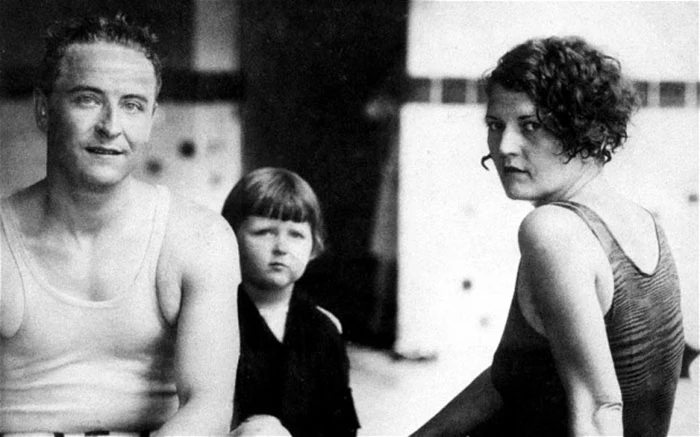
The Fitzgeralds at the beach, mid-1920s
The Fitzgerald family · c. 1924–1926

Before the rupture

One of the last “family” portraits before Antibes split the marriage from within. Scottie is still small. Zelda looks at the camera — Scott is already looking past it.

Scott, Scottie and Zelda · c. 1924–1926

I never was so in love with anyone in my life, and Scott knew it.

Zelda Fitzgerald · diary · 1932

After Antibes, after Jozan, after the month Scott locked her in the villa — at twenty-seven, very late — Zelda returns to ballet. She had danced as a child but given it up. Now she trains eight hours a day under Lubov Egorova, a former prima of the Imperial Ballet living in exile.

She wants to turn professional. Not “Fitzgerald’s wife who dances” — a ballerina. Scott is irritated: he wants a muse, not an obsessive. Egorova writes to him: “She works with an intensity I have not seen in pupils who began at eight.”

In September 1929 the San Carlo Ballet in Naples offers her a second-soloist role in “Aida.” After a long silence, Zelda refuses. Six months later — her first breakdown.

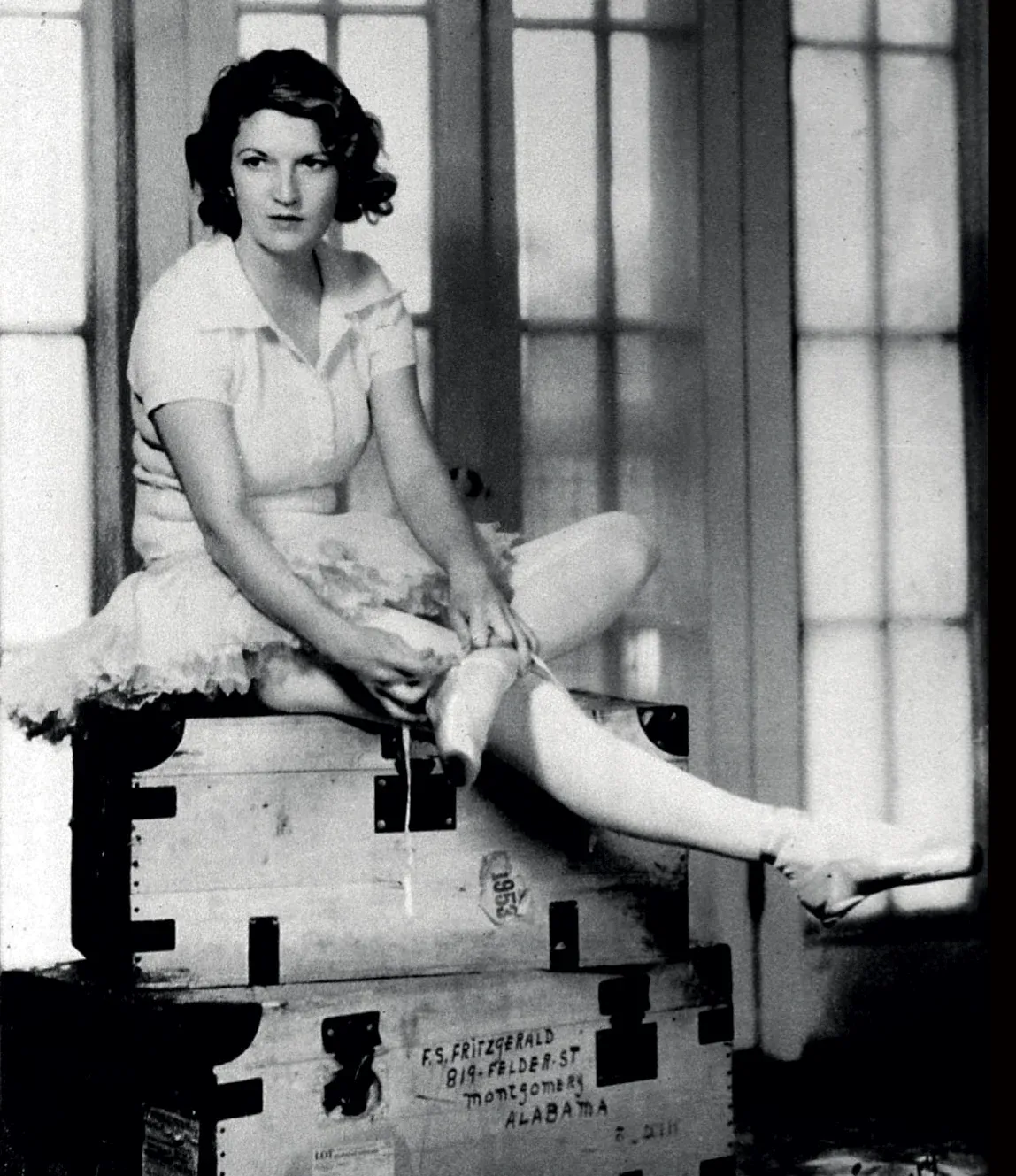
Zelda in a ballet tutu, late 1920s
Zelda Fitzgerald · late 1920s

The ballerina

The trunk reads “F. S. FITZGERALD · 819 FELDER ST · MONTGOMERY ALABAMA” — her parents’ address, the place she would return to between clinics.

Zelda · ballet pose · late 1920s

April 1930. Zelda is at the Malmaison clinic outside Geneva. Diagnosis: schizophrenia. A year later, Prangins. Another year — Phipps Clinic in Baltimore.

At Phipps, in February 1932, she writes a novel. Six weeks. “Save Me the Waltz” — an autobiography under the name Alabama Beggs. Ballet, marriage, betrayal, breakdown.

Scott receives the manuscript and is furious. He has been working for years on his own novel about their marriage — “Tender Is the Night” — and accuses Zelda of stealing his material. He forces her to rewrite scenes and remove names. The book comes out in October 1932, in a print run of 3,000 copies. Most of it will be pulped three years later. Scott’s “Tender Is the Night” appears in 1934. A bestseller.

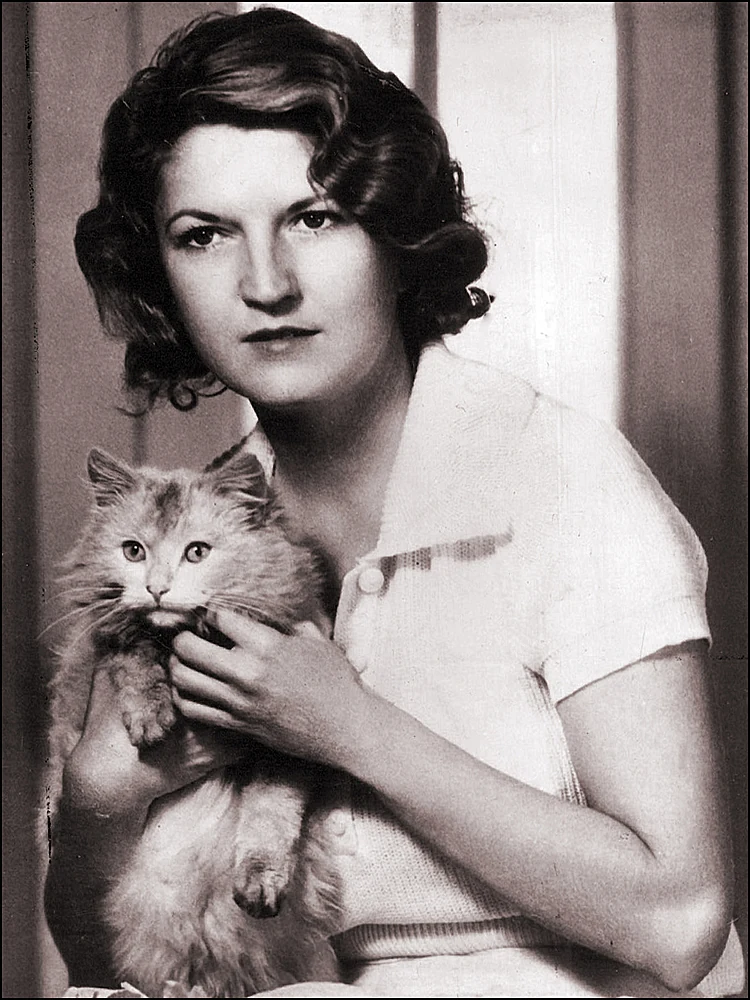
Zelda with a cat, late 1920s — early 1930s
Zelda Fitzgerald · c. 1929 — 1930

Before the breakdown

One of the last photographs before her first hospitalisation. After April 1930 the photographs grow rare — and all of them are taken inside clinics, in hospital clothing.

Zelda Fitzgerald · c. 1929 — 1930

From 1936 Zelda is at Highland Hospital in Asheville, North Carolina. Scott dies of a heart attack in Hollywood in December 1940, aged forty-four. Zelda is not at the funeral — the doctors do not allow her to leave the clinic. In her last years she writes religious poems and paints watercolours. Between trips home to her mother in Montgomery — insulin comas and electroconvulsive therapy.

Wife. Muse. Madwoman.
Under these three names she lived for thirty years, while she herself wrote, danced and painted.

On the night of 10 March 1948 a fire breaks out in the kitchen of Highland Hospital. Zelda is locked in an upper ward — awaiting her morning electroshock. The fire spreads through wooden stairwells and canvas dumbwaiter shafts. She is identified by a single charred ballet slipper.

1900 — 1948

Muses is an independent editorial and educational project. Non-commercial use. All photographs are the property of their respective rights holders.

Sources: Wikimedia Commons (public domain), The Andy Warhol Foundation for the Visual Arts, Nat Finkelstein Estate, Smithsonian National Portrait Gallery, Minnesota Historical Society, F. Scott Fitzgerald Archives.

Images used for editorial commentary on cultural figures. For attribution or takedown requests: hello@slowread.art.